Effective inventory management is key to running a successful online business. Knowing how to manage inventory effectively helps you meet customer demand, avoid stockouts, and ensure your business runs smoothly. With the right practices in place, you can streamline your operations, protect your margins, and grow your business.
Why Effective Inventory Management Matters
How to manage inventory is one of the most important questions for any e-commerce seller. Inventory is more than just products on a shelf – it’s money tied up in physical goods. If you don’t manage it properly, you risk either running out of stock during high-demand periods or overstocking items that aren’t selling fast enough.
When done well, effective inventory management ensures you can fulfill orders on time and keep customers happy, while keeping your operational costs low. With a good system in place, your business can stay flexible, responsive, and ready to take on challenges as they come.
How to Manage Inventory to Improve Cash Flow
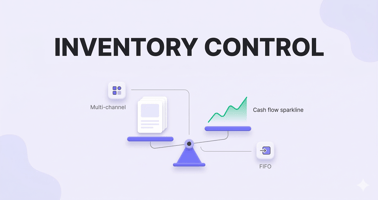
Managing your inventory is a direct way to improve your cash flow. Here’s how:
- Focus on High-Turnover Items: Prioritize products that sell quickly so your capital is constantly turning over rather than sitting on shelves.
- Just-in-Time (JIT) Inventory: Order products only when needed based on real-time sales forecasts to reduce stock holding costs.
- Reduce "Days of Inventory on Hand": Minimizing the time stock sits unused makes your business more agile and responsive to new trends.
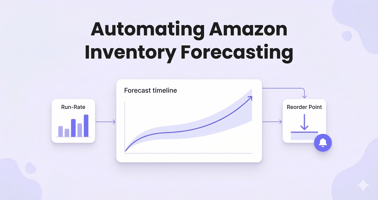
- Automated Replenishment: Set up automatic alerts for low stock to reorder before you run out, preventing costly last-minute orders.
Key Inventory Management Practices
To ensure you properly manage inventory, implement these industry best practices:
- ABC Analysis: Categorize items into ‘A’ (high-value, low-volume), ‘B’ (moderate value), and ‘C’ (low-value, high-volume) to prioritize your effort on the most profitable goods.
- FIFO (First-In, First-Out): Always sell older stock before newer items. This is essential for perishable or tech goods to reduce waste and obsolescence.
- Safety Stock and Reorder Points: Keep extra stock to protect against demand spikes or supplier delays, and trigger new orders at specific inventory thresholds.
Managing Inventory Across Platforms
As you grow, you need strategies to master your stock across different channels:
- Amazon FBA: Monitor your Inventory Performance Index (IPI) to avoid storage fees. Audit your FBA dashboard frequently to remove slow-moving items.
- Shopify: Sync your online store with your physical warehouse in real time to prevent overselling.
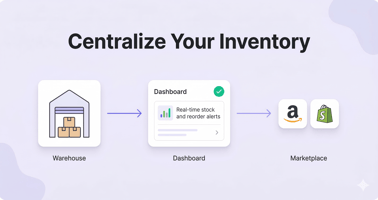
- Multi-Channel Management: Centralize your data to avoid double-selling and ensure stock moves between channels efficiently based on demand.
Optimizing Your Inventory with NeonPanel
Managing inventory doesn't have to be complicated. NeonPanel connects directly to your sales channels to provide real-time stock visibility and automation. By automating reorder points and tracking stock levels, our platform helps you implement best practices effortlessly.
Beyond tracking, NeonPanel provides financial insights by calculating the true cost of each product. This enables precise ROI analysis, ensuring you always know which items are performing best versus those that cost more than they are worth.
Conclusion
Whether you're managing stock for a single channel or across multiple platforms, a well-structured inventory system ensures you meet customer demand while minimizing costs. With the right approach and platform, you’ll be able to scale smoothly, stay competitive, and protect your profit margins.